

By Brooke DeNisco, Lead Content Writer at Activity Connection, Recreation Therapist
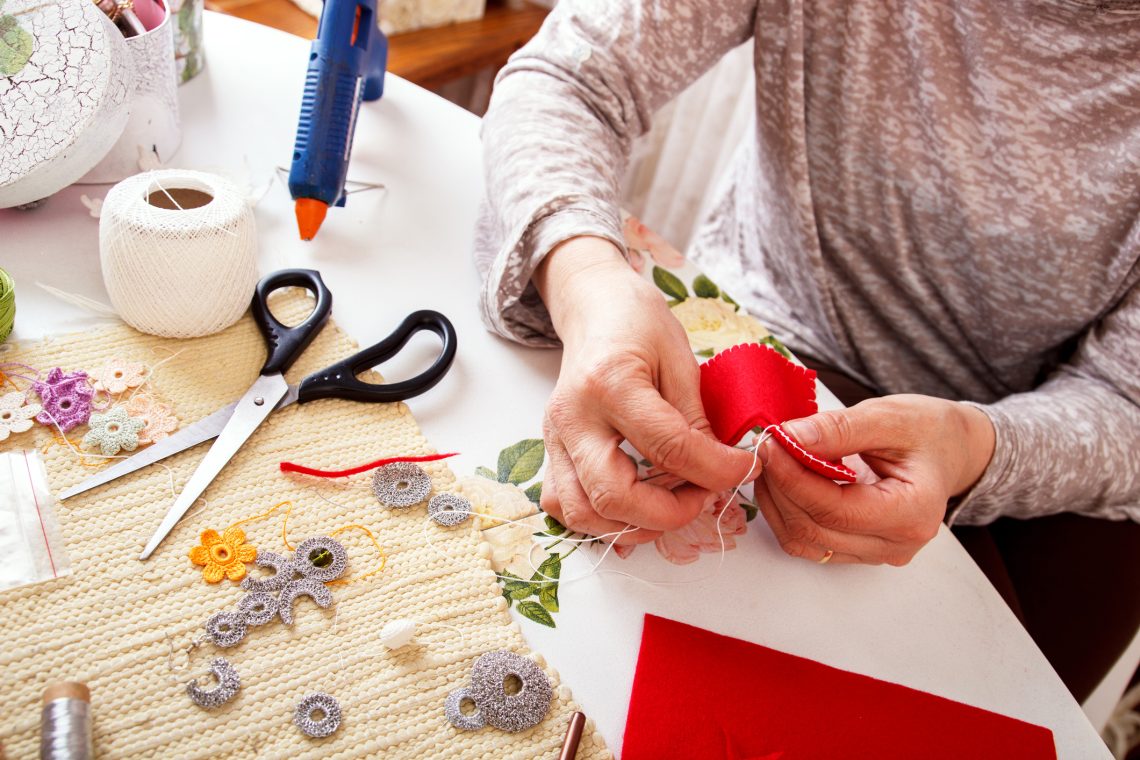
Most assisted living and memory care communities include craft activities on their monthly calendar. But there’s a fine line between projects that are simple enough to complete in a group setting and ones that still feel adult, polished, and purposeful. When crafts start to feel repetitive or childish, participation drops and enthusiasm fades.
A refreshed approach can transform crafts from “just another activity” into a source of pride, connection, and visibility for your entire community.
Simple but Polished Crafts
Craft activities succeed when they hit the sweet spot between creativity, accessibility, and intention. The goal isn’t just consistency—it’s creating an experience that helps participants feel capable and proud of what they’ve made.
Look for projects with:
- Clear, manageable steps
- Limited fine-motor complexity (unless intentionally designed for higher-functioning groups)
- Visually appealing, adult-looking results
Before selecting projects, ask residents and staff whether they have creative skills they’d like to share. You may discover hidden expertise in sewing, knitting, painting, cardmaking, decoupage, or paper arts. Leveraging internal talent not only elevates quality but also increases buy-in.
It’s also worth using craft instructions that have been professionally written and tested for older adults. Projects that fail to match their sample photos can quickly discourage participants. Reliable resources—such as professionally tested monthly craft guides—help ensure consistent, polished outcomes that reflect well on your program.
Involve the Community in Your Craft Calendar
Engagement increases when residents feel ownership over activities. You can cultivate that ownership by:
- Inviting skilled residents to co-lead sessions
- Recognizing a “Resident Artist of the Month”
- Encouraging volunteers to teach specialty crafts
- Soliciting input during resident council meetings
When peers contribute, participation becomes self-reinforcing. Attendance rises, curiosity spreads, and creative programming evolves from staff-managed events into shared community initiatives.
Crafts Participants Can Use, Gift, or Display
One of the most common unspoken questions residents have is: Why are we making this?
Projects that serve a purpose consistently generate stronger turnout and greater pride. Consider crafts that become:
- Seasonal centerpieces for dining rooms or activity spaces
- Handmade gifts for family members or staff appreciation
- Welcome items for new residents
- Decorative pieces for hallway galleries
- Products for a community craft fair or fundraiser
When participants know where their project will live on a table, in a gift bag, or displayed for others to admire, the activity gains meaning.
For example, a decorative easel-style photo frame made from simple materials becomes far more engaging when residents know it will hold a family photo or be featured in a holiday display.
Purpose transforms process.
Craft Fairs: A Motivation Boost for Older Adults
Hosting even a small-scale craft fair can energize your entire program.
Craft fairs provide:
- A shared goal
- External validation
- Community engagement
- Intergenerational interaction
They also create roles for varying abilities and personalities. Not everyone needs to craft. Residents can greet guests, wrap purchases, manage simple transactions, create signage, arrange displays, or assist with setup and cleanup.
This type of collaborative effort builds camaraderie and gives participants something to anticipate and discuss long before the event arrives.
Sourcing Supplies Without Overspending
Strategic supply planning prevents frustration, clutter, and waste.
Some materials, such as quality paints, sturdy cardstock, and attractive embellishments, are worth budgeting for because they directly impact the final appearance. Adult-looking crafts require adult-level materials.
At the same time, many supplies can be sourced through:
- Clean recycled household items
- Community donation drives
- Local partnerships
- Faith-based and scouting groups
- Neighborhood networks like Nextdoor
When requesting donations, specificity is critical. Vague requests lead to excess or unusable materials.
A concise newsletter insert might read:
We would greatly appreciate donations of clean, odor-free greeting cards, yarn, buttons, and colorful magazines. Thanks to community generosity, we are not currently seeking fabric or corks.
Clear boundaries protect your storage space and ensure usable contributions.
Elevating the Perception of Your Activity Program
Well-executed crafts do more than fill time; they enhance the environment of your community.
Displayed projects brighten common areas and signal engagement. Families see it. Prospective residents see it. Leadership sees it.
When crafts look intentional and refined, they communicate that your activity programming is thoughtful, structured, and meaningful.
A small strategic reset to include a clearer purpose, higher-quality materials, resident involvement, and defined outcomes can significantly increase attendance, pride, and overall program visibility.
Crafts that are simple, purposeful, and polished don’t just occupy time; they build confidence and community.
Ready to repurpose with some materials you might have on hand? Download the complete directions for the decorative straw easel photo frame and add a ready-to-use craft to your next activity calendar.
Brooke DeNisco is Lead Content Writer at Activity Connection and a Recreation Therapist who has served in assisted living facilities, day centers, and memory care settings for over 12 years.




Leave a Reply