

By: Kathy Laurenhue, M.A., CHP
We all love feel-good stories.
In a world where bad news gets the biggest headlines, it’s heartwarming to read accounts of everyday kindness—like those published by Reader’s Digest and the Random Acts of Kindness organization. These stories remind us that kindness doesn’t require wealth, special skills, or elaborate planning. Often, it’s simply about paying attention.
And in senior living communities, that matters more than ever.
Residents may be adjusting to health changes, navigating loss, or simply longing for meaningful connection. Staff members juggle demanding responsibilities. Families carry concern and hope. In that environment, even the smallest act of kindness can shift the emotional climate of an entire day.
Many of the most uplifting stories involve unexpected connection: strangers becoming friends, a small gesture turning someone’s day around, or someone offering help without being asked. Here are a few examples excerpted from Reader’s Digest:
A Spontaneous Act
A woman shared her embarrassment when her grocery bill totaled $12 more than she had with her. As she began removing items from her bags, the man behind her handed her a $20 bill. She initially refused.
“Let me tell you a story,” he said. “My mother is in the hospital with cancer. I visit her every day and bring her flowers. I went this morning, and she got mad at me for spending my money on more flowers. She demanded that I do something else with that money. So, here, please accept this. It is my mother’s flowers.”
—Leslie Wagner, Peel, Arkansas
A Little Talent Shared
Children were playing in an IKEA store’s recreation area when a woman’s five-year-old granddaughter motioned for a small boy to stop. Kneeling down, she re-tied his flopping shoelaces—a skill she had only recently learned. No words were spoken. When she finished, the children smiled shyly at each other and ran off in different directions.
—Sheela Mayes, Olla, Louisiana
Your Own Troubles Needn’t Prevent Kindness
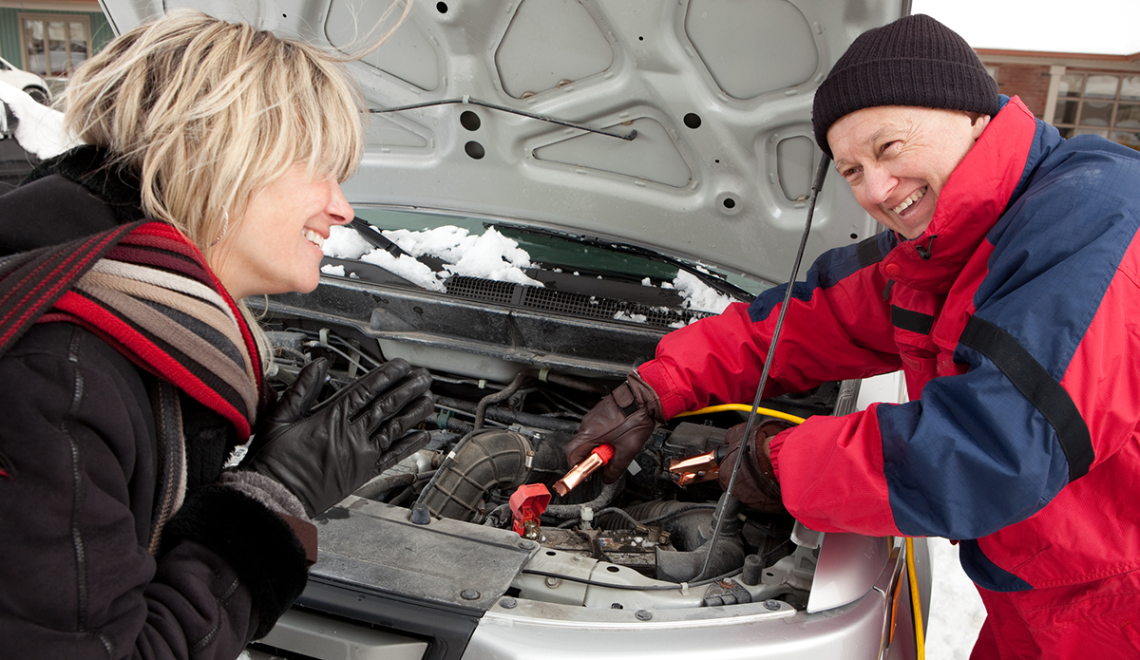
A doctor, deep in thought after delivering a pancreatic cancer diagnosis to his patient Jimmy, walked through the parking lot and saw Jimmy helping an elderly man with a stalled car.
“Jimmy, what are you doing?” the doctor called out.
Jimmy stood up and dusted off his pants. “My cancer didn’t tell me not to help others, Doc,” he said, waving for the man to start the engine. The car roared to life. The old man thanked him, and they drove off.
—Mohammed Basha, Gainesville, Florida
While some acts of kindness involve creativity, invention, or financial generosity, they all share one essential trait: they are done with no expectation of anything in return.
That principle makes kindness especially meaningful in senior living. Many residents want to feel useful. They want to contribute. They want to matter. Acts of kindness, no matter how small, restore that sense of purpose.
Kindness Is Self-Care
If it feels good simply reading about kindness, it’s no surprise that we feel even better when we’re the ones offering it.
According to the Mayo Clinic, kindness increases self-esteem, empathy, and compassion while improving mood. It can decrease blood pressure and reduce cortisol, the stress hormone. Physiologically, kindness boosts serotonin and dopamine—neurotransmitters associated with well-being and reward. It can increase feelings of connection, decrease loneliness, and strengthen relationships.
For older adults, especially those experiencing isolation, these benefits are significant. And for caregivers and staff, kindness can be restorative in the midst of demanding work.
In other words, kindness isn’t just a virtue. It’s wellness.
Plus, It’s Fun
Kindness and humor naturally go together. Something as simple as a smile can brighten someone’s day.
Joseph Addison said, “What sunshine is to flowers, smiles are to humanity. These are but trifles, to be sure; but scattered along life’s pathway, the good they do is inconceivable.”
In a senior living setting, that might look like:
- Smiling intentionally as you pass someone in the hallway
- Sharing a lighthearted story during mealtime
- Posting a daily joke on the community bulletin board
- Slipping a cheerful note into someone’s mailbox
You don’t have to carry someone’s groceries to make a difference. Sometimes it’s a cartoon clipped from the newspaper, a funny memory shared during group time, or a “thinking of you” card left anonymously.
Humorous acts of kindness don’t have to produce belly laughs. Simply lifting someone’s spirits is enough.
More Easy Ways to Be Kind
If we are healthy and living independently, we might easily find a way to volunteer in the community. If we have money to spare, we can give to our favorite charity. But most acts of kindness cost nothing and require very little time.
Simone Weil said, “Attention is the rarest and purest form of generosity.”
Loneliness often stems from feeling unseen. So, encourage residents and staff to practice intentional attention:
- Tell family members and friends specifically why they are appreciated.
- Thank staff members, housekeepers, dining teams, and caregivers by name.
- Offer sincere compliments.
- Praise others for their contributions.
- Listen without interrupting, judging, or trying to fix the problem.
In senior living, being heard can be as powerful as being helped.
Form a Kindness Club
Why not make kindness a shared initiative?
Consider forming a Kindness Club that includes residents, family members, and staff. It can be formal or informal, ongoing or seasonal.
The group might:
- Support a local charity through simple fundraising efforts
- Partner with a school for intergenerational friendships or tutoring
- Create cards, comfort quilts, or small gift packages for those who are ill
- Establish a buddy system to reduce loneliness
- Organize simple service projects within the community
A Kindness Club not only benefits others—it strengthens community culture. Residents move from being recipients of care to contributors to joy.
Making It the Norm
Random Acts of Kindness Week is celebrated annually in mid-February (February 14–20, 2026), but the organization’s tagline says it best: “Make it the norm.”
In senior living communities, kindness does not have to be confined to a calendar week. National days for giving compliments, making a friend, offering encouragement, or being a good neighbor are helpful reminders—but any day can be a kindness day.
Kindness is as easy as being nice.
It’s a smile in the hallway.
A hand on a shoulder.
A thank-you spoken aloud.
A joke shared at just the right moment.
A resident choosing to help another, even on a hard day.
And perhaps the most beautiful truth is this: in giving kindness, we receive it.
Kindness doesn’t require a grand gesture. It simply requires intention.
Download Your Random Acts of Kindness Week Ideas
Ready to turn inspiration into action? Bring this blog to life with our Random Acts of Kindness Week Ideas, designed specifically for senior living communities. Each idea offers a simple, thoughtful act that residents and staff can complete with little to no budget required.
Post it on your activity board, include it in your newsletter, or use it as part of a monthly engagement theme.
Download your kindness ideas today and watch kindness multiply throughout your community, one small act at a time.
Kathy Laurenhue, M.A., CHP, the creator of WiserNow.com, is a prolific, award-winning writer, publisher, and frequent contributor to Activity Connection.




Leave a Reply