

By Kathy Laurenhue, MA, CHP & Natalie Kravitz, BA, ACC, DCS, DCSCT, CDP, PAC Engagement Leader
Volunteering is often described as an act of kindness, but in senior living communities, it can also provide purpose, connection, and meaningful engagement. For activity professionals and life enrichment teams, volunteers can expand programming, strengthen relationships, and help create a community culture where everyone feels they have something meaningful to contribute.
The good news is that volunteer programs do not need to be complicated or large in scale. With thoughtful planning, residents, families, and community members can all participate in ways that support both the community and the wider world.
When structured well, volunteering becomes another meaningful form of engagement that enriches daily life for residents.
The Benefits of Volunteering
Volunteering offers a wide range of well-being benefits for older adults. According to research highlighted by the Mayo Clinic, volunteering can support both physical and mental health while providing a strong sense of purpose.
Volunteering can also encourage social connection. When residents participate in volunteer projects together, they build relationships, share experiences, and often rediscover skills and passions they developed earlier in life.
For activity professionals, volunteer opportunities can become an extension of engagement programming. Residents are not just participating in activities—they are contributing, helping others, and continuing to make a difference.
Types of Volunteer Opportunities in Senior Living
Volunteer opportunities in senior living communities generally fall into several categories. Offering a variety of options allows people with different interests and abilities to participate.
Internal Volunteer Roles
Some of the most successful volunteer opportunities happen right inside the community. These roles are often simple but meaningful and help residents feel involved in daily life.
Examples include greeting visitors during community events, helping distribute mail or newsletters, assisting with activity setup, or welcoming new residents. Some communities create resident welcome committees that help new neighbors feel comfortable and connected.
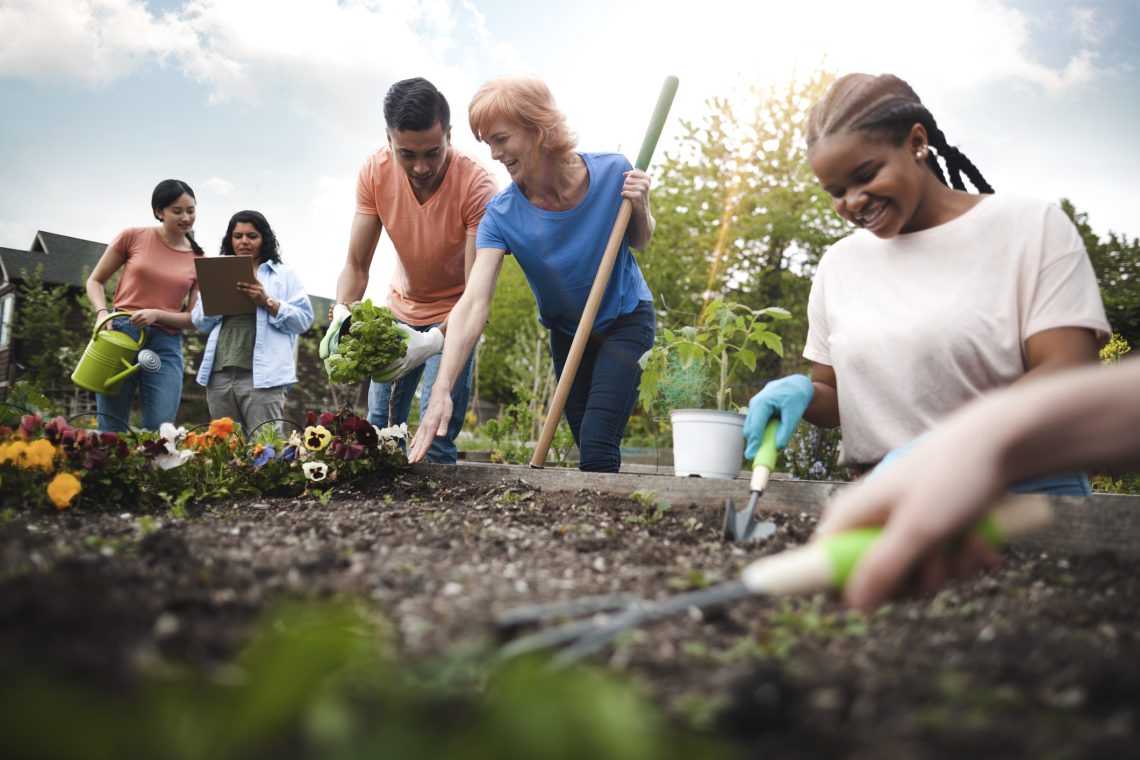
Residents may also enjoy helping care for community pets, assisting with gardening spaces, or organizing materials for craft programs.
These small responsibilities can give residents a renewed sense of purpose and belonging.
Community Outreach Projects
Many residents enjoy volunteering in ways that benefit the larger community. Activity teams can organize projects that allow residents to contribute while remaining within the comfort of their own community.
Popular outreach ideas include assembling care packages for service members, creating supply kits for children in need, collecting donations for food banks, or knitting hats and blankets for hospitals and shelters.
Letter-writing programs are another meaningful option. Residents can write encouraging letters to people experiencing illness, loneliness, or difficult life circumstances.
These projects allow residents to feel connected to causes that matter to them.
Intergenerational Volunteer Programs
Intergenerational programs are among the most rewarding volunteer opportunities in senior living communities. Connecting residents with younger generations can create powerful moments of shared learning and mutual support.
Residents may enjoy reading with children, mentoring students, or participating in art and craft projects with local schools. Some communities partner with schools or youth groups to organize service projects that residents and students complete together.
These experiences often lead to meaningful friendships across generations.
Skill-Based Volunteering
Many residents have a lifetime of knowledge, talents, and professional skills that can still be shared with others.
Encouraging skill-based volunteering allows residents to use their strengths in meaningful ways. Musicians may enjoy performing for others, artists may lead creative programs, and former teachers may assist with tutoring or educational activities.
Residents who speak multiple languages may enjoy helping others practice conversation skills or supporting translation efforts in community outreach programs.
By identifying the unique talents within your community, activity professionals can create volunteer opportunities that feel personal and rewarding.
Flexible Ways to Volunteer
Not everyone can volunteer in the same way, and flexibility is important when building a successful volunteer program.
Some volunteers may enjoy leaving the community to participate in outside service projects, while others may prefer opportunities within the community itself. Many residents appreciate volunteer roles connected to special events, seasonal projects, or occasional programs.
Other residents may prefer independent activities such as writing letters, creating handmade items for donation, or making friendly phone calls to check on neighbors.
Offering a variety of options allows more people to participate comfortably and confidently.
How to Identify Volunteer Opportunities
One of the easiest ways to develop volunteer programs is to start with a brainstorming session.
Invite residents, family members, and interested volunteers to discuss the causes they care about and the types of activities they would enjoy. Ask participants to share their interests, skills, and the amount of time they are able to commit.
From there, activity professionals can match these interests with potential volunteer opportunities.
Local organizations such as libraries, schools, shelters, museums, hospitals, and nonprofit organizations are often eager to partner with senior living communities. A simple phone call or online search can reveal many ways residents can contribute.
It is also important to understand whether volunteer roles require training or orientation. Volunteers are more likely to remain engaged when they feel confident that their contributions are meaningful and well supported.
Recognizing Volunteer Contributions
Volunteers are often motivated by the satisfaction of helping others, but recognition still matters. A culture of appreciation helps volunteers feel valued and encourages them to continue participating.
Recognition can take many forms. Personal thank-you notes, phone calls, or public recognition during community meetings can be very meaningful.
Some communities host volunteer appreciation events or provide small tokens of gratitude, such as certificates or thoughtful gifts. Even simple gestures, like acknowledging someone’s effort during an activity program, can reinforce how much their contributions are valued.
Creating a Culture of Contribution
Volunteer programs in senior living communities do more than support local causes. They create opportunities for residents to continue sharing kindness, purpose, and connection with others.
For activity professionals, encouraging volunteerism is another way to foster engagement and empower residents to remain active contributors within their community.
Sometimes the most impactful volunteer programs begin with a simple question:
How would you like to help?
When residents are given opportunities to contribute in ways that match their interests and abilities, everyone benefits.
Kathy Laurenhue, MA, CHP, the creator of WiserNow.com, is a prolific, award-winning writer, publisher, and a frequent contributor to Activity Connection.
Natalie Kravitz is the Director of Engagement Operations for Activity Connection and brings more than 20 years of experience in senior living. She serves on national and state professional boards and is a Dementia Connection Institute Ambassador and Trainer with multiple industry certifications.



Leave a Reply