

By Sarah Vanbuskirk
Seasonal themes, holidays, history, music, and cultural celebrations all provide wonderful inspiration for senior living activities. But some of the most meaningful programming doesn’t begin with a calendar—it begins with the people sitting in front of us. While themed activities have their place, they can sometimes feel generic if they aren’t connected to the people participating. One powerful way to create more meaningful, person-centered activities is to draw inspiration from residents’ own life stories and experiences.
The best part? You may already have everything you need. One of the greatest untapped resources in any senior living community isn’t a new activity idea—it’s the residents themselves. Each one has a lifetime of experiences, knowledge, traditions, and memories to share, which may spark ideas for meaningful, unique activities.
When resident stories inspire programming, these activities naturally become more individualized, affirming, engaging, memorable, vibrant, and creative. All you need is curiosity, thoughtful questions, and opportunities for residents to share, listen, and collaborate.
Here’s how to transform resident life journeys into activities everyone can enjoy.
Why Life Story Programming Is So Powerful
Storytelling is an important part of person-centered care because it shifts programming from “activities for residents” to “activities built around residents.”
Many residents will jump at the opportunity to share. Those who are shier at first may delight in participating once they feel comfortable. Even just listening can be beneficial and often sparks additional memories to contribute.
Sharing life experiences helps residents:
- Build community and understanding
- Create a sense of purpose
- Develop confidence
- Feel seen and valued
- Preserve personal history
- Reinforce identity
- Strengthen friendships and resident-staff relationships
Research supports what many activity professionals observe every day. Reminiscence and life review can improve mood, strengthen identity, reduce loneliness, encourage social interaction, and enhance overall well-being. In fact, researchers have found that reminiscence therapy, a noninvasive, nonpharmacological intervention, can improve cognition, mood, functional status, and quality of life, and reduce apathy in older adults.
Everyone has a treasure trove of experiences that can translate into new activities that go far deeper than the traditional program.
Turning Resident Stories into Engaging Activities
Resident experiences can become the centerpiece of some of your programming—or simply let them inform, inspire, or augment activities you already provide. The key is to personalize activities by listening to the interests, experiences, memories, and passions of your residents to build jumping-off points for dynamic programming.
1. Start with Everyday Conversations
Life stories don’t emerge only during formal reminiscence groups.
Encourage staff to notice stories shared during other times, such as:
- Craft sessions
- Exercise classes
- Family visits
- Meals
- Regular interactions
- Walks
Keep a simple notebook or shared document to record interesting memories, hobbies, careers, traditions, or accomplishments residents mention.
Sometimes one casual conversation can become next month’s most successful activity.
2. Build Programs Around Shared Experiences
Look for common threads or interests among residents.
For example, many residents may mention:
- Certain holidays or cultural traditions
- Cooking
- Current events
- Gardening
- Growing up and hometowns
- Hobbies, such as birding or letter writing
- How the world has changed
- Military service
- Music or movie stars, past or present
- Past careers
- Pets
- Raising children
- Relating to grandchildren
- Sports teams
- Travel
- Understanding technology
Turn these themes into recurring programs by creating a formal activity or simply giving residents opportunities to discuss or learn about the topics. Providing plenty of sharing time can easily turn a straightforward activity into a personalized one.
Possible examples include:
- “Careers Through the Decades”
- “Growing Up on a Farm”
- “Favorite Family Recipes”
- “Music That Shaped Our Lives”
- “Neighborhood Memories”
- “Writing Personal Histories”
Shared experiences encourage participation because everyone has something unique to contribute.
3. Let Residents Teach One Another
Residents possess decades of knowledge and expertise. Inviting residents to share their knowledge gives them the opportunity to contribute rather than simply participate. That shift often increases confidence, encourages conversation, and reminds everyone that learning doesn’t stop with age.
Invite former teachers, artists, mechanics, arborists, nurses, lawyers, musicians, military veterans, homemakers, crafters, etc. to lead or co-lead activities.
Possibilities include:
- Cooking traditions
- Firefighting stories
- Gardening tips
- Knitting demonstrations
- Military history discussions
- Travel presentations
- Woodworking stories
Residents often become more engaged when they transition from participants to contributors.
4. Turn Memories into Creative Projects
A story doesn’t have to end when the conversation does.
Transform shared memories into:
- Art projects
- Audio recordings of resident stories
- Collaborative murals
- Digital slideshows
- Memory journals or collages
- Photo displays
- Poetry
- Recipe books
- Resident newsletters
- Scrapbooks
- Seasonal bulletin boards
These projects celebrate residents’ experiences while giving everyone a lasting reminder of the community they’ve built together.
5. Every Story Matters
Every resident has their own unique background and life path—and that’s what makes life-story programming meaningful. Plus, even when backstories are similar, each person has a unique voice and viewpoint, creating a vibrant mosaic of experience to share.
Not every resident served in the military or raised a family. Some traveled extensively, while others spent their lives in one hometown. Some built careers, while others devoted themselves to caregiving, volunteering, or creative pursuits. Every experience has value and can become the foundation for meaningful engagement.
The more diverse the stories, the richer the programming becomes.
6. Simple Ways to Learn Residents’ Stories
Manageable, low-pressure strategies for discovering resident stories include eliciting memories by passing around objects with specific scents, such as vanilla, lemon, cinnamon, sandalwood, pine, or a slice of apple. Then, ask residents what stories, feelings, or memories each smell brings to mind.
Ideas include:
- Photo prompts
- Favorite music
- Conversation cards
- Family questionnaires
- Memory baskets
- Familiar scents like vanilla or pine
- Objects from different decades
Documenting every detail isn’t necessary. The goal is to uncover ideas that inspire meaningful engagement.
Tips for Success
Follow your instincts on what kind of storytelling activities will work best for your community and for the individual. Sometimes, simply adjusting successful past activities to include a storytelling element can work wonders.
Other suggestions include:
- Adapt conversations for varying cognitive abilities.
- Focus on connection rather than perfect recall.
- Let residents guide the conversation.
- Invite families to contribute stories.
- Respect privacy and emotional boundaries.
- Revisit favorite topics throughout the year.
Follow residents’ interests rather than a script, and include quieter residents through one-on-one or small group interactions.
Stories can continue inspiring future programming long after they’re first shared. Encourage ongoing engagement by offering follow-up sharing sessions or creating a community memory wall or digital memory archive.
Key Takeaways
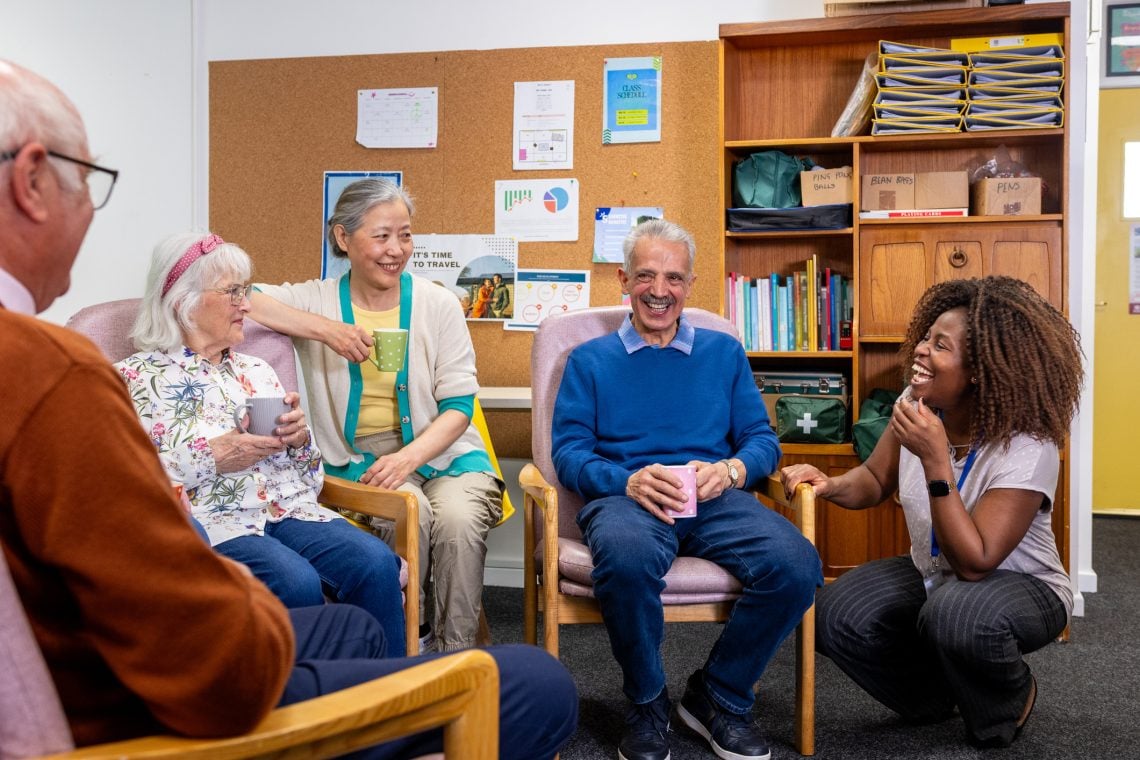
The most meaningful activities don’t always begin with a theme, holiday, or activity calendar. Often, they begin with a simple question, a shared memory, or a conversation over coffee.
When we take the time to listen, residents become more than participants in a program—they become the inspiration behind it. Life story programming helps residents feel valued not simply for participating but for who they are and what they have to share. Whether it’s a conversation over coffee, a collaborative memory project, or a resident-led workshop, these experiences strengthen community while creating authentic opportunities for learning, belonging, and joy.
The best part? You may already have everything you need. One of the greatest untapped resources in any senior living community isn’t a new activity idea—it’s the residents themselves.
Start Discovering Residents’ Stories
The best person-centered activities often begin with a simple conversation. Our Pondering Prompts conversation cards make it easy to spark discussions, uncover residents’ interests and experiences, and build stronger connections through person-centered engagement.
Whether you’re facilitating a group, visiting one-on-one, or welcoming family members into the conversation, these ready-to-use prompts can help you uncover residents’ stories and inspire your next person-centered activity.
Sarah Vanbuskirk is a writer and editor specializing in health, wellness, and lifestyle topics, based in Portland, Oregon.



Leave a Reply