

By Sarah Vanbuskirk
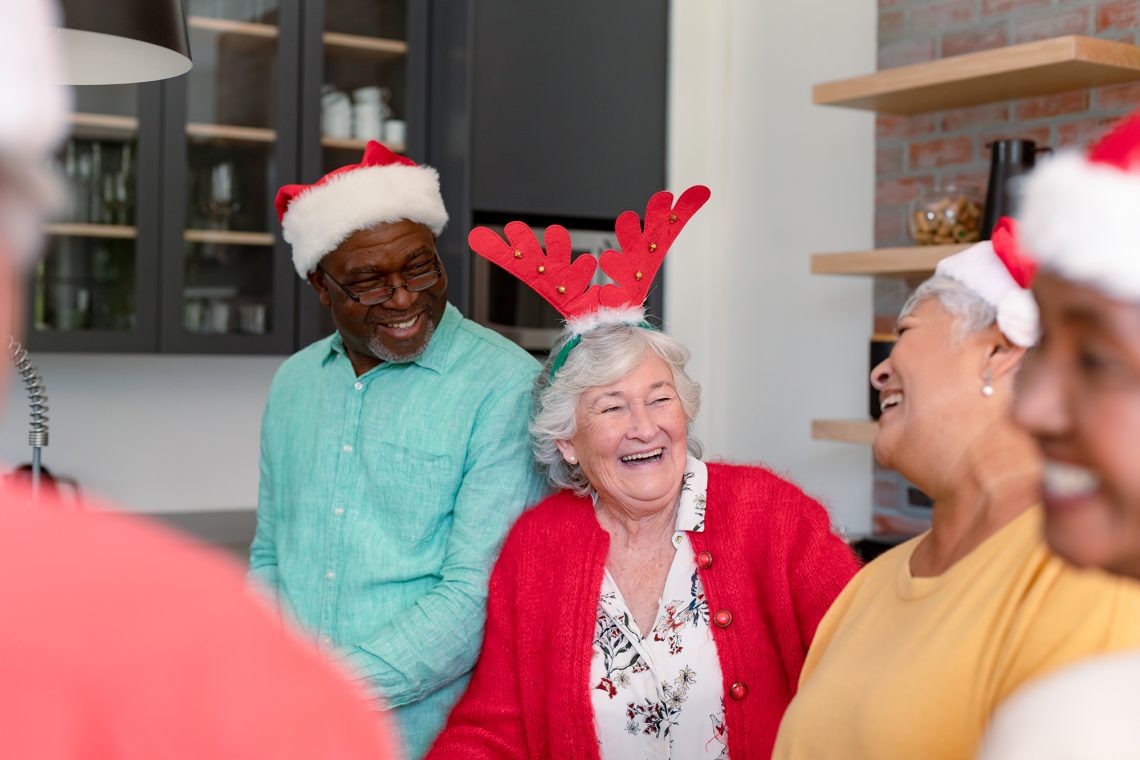
The winter holiday season is one of the most cherished and festive times of the year. At senior living communities, it’s key to foster a spirit of cultural and religious inclusion and sensitivity to ensure the holidays are enjoyed by all.
The many overlapping traditions, days of worship, and other festivities highlight the need to honor the many cultural differences residents and staff have in background, belief, and tradition.
For activity directors, this season provides a unique opportunity to transform these differences from potential discord into moments of connection, celebration, and learning.
Celebrating cultural and religious inclusion and sensitivity isn’t just a wintertime effort. Instead, it’s part of cultivating a vibrant, compassionate, welcoming community year-round. But during the holiday season, when so many special festivities, religious observances, and cultural traditions converge, intentional inclusion can make an especially powerful impact.
Benefits of Culturally Inclusive Holiday Programming
When residents’ different cultural and religious traditions are thoughtfully acknowledged and celebrated, they will each feel seen and respected. These efforts will ensure that everyone’s sense of belonging and community deepens. Residents will be more likely to engage in group activities, develop friendships, and experience the benefits of living in an assisted living community.
Let’s explore how activity directors can make the most of this holiday season to celebrate, educate, and connect through inclusive programming and thoughtful leadership.
Why Does Cultural and Religious Inclusion Matter Around the Holidays?
In senior living settings, residents come from diverse cultural, religious, and personal backgrounds. Some may have celebrated Christmas, Hanukkah, Kwanzaa, Diwali, Winter Solstice, or other traditions for decades. Others may not observe any particular holiday during the winter season.
For residents of different faiths and for those who may be far from family, the holidays can bring mixed emotions, from nostalgia to joy, loneliness, or sadness.
By intentionally cultivating inclusion, activity directors can help ensure that everyone feels seen, welcomed, and valued. Feelings of isolation will be reduced when residents see their own traditions being recognized and honored. Group cohesion will be enhanced through meaningful social interaction and dialogue.
Learning about other cultures and traditions will also stimulate curiosity and cognitive engagement. Mutual respect, connection, and pride grow when residents see their own traditions recognized, especially when they are invited to share them with others in their community.
In light of the complex challenges of the aging population, understanding the role of culture in promoting health and well-being becomes increasingly important.
—Authors of the 2024 study, The effects of cultural engagement on health and well-being: a systematic review
Step 1: Educate and Empower
Before launching inclusive holiday programming, start with your staff. You and your team will want to learn about the meanings, histories, and practices of various winter holidays, such as Christmas, Hanukkah, Kwanzaa, Diwali, and the Winter Solstice.
Consider respectful language and etiquette—and reach out to experts if you are unsure. Understanding how to talk about religious and cultural observances competently and sensitively will help you communicate with care, respect, and confidence.
To start, avoid making assumptions about a person’s beliefs, attitudes, or behaviors based on their culture or background.
—National Institute on Aging, Providing Care to a Diverse Older Adult Population
Encourage curiosity and openness. You don’t need to know everything. Aim to be genuinely interested and willing to learn.
Tip: While learning, spend more time listening and asking questions than talking.
Remember to incorporate staff input, as they may have their own traditions and insights to share.
When everyone feels equipped to engage with a range of cultural and spiritual traditions, they are better able to facilitate activities that honor these holidays and other cultural practices.
Step 2: Create Opportunities for Shared Learning and Celebration
The holiday season offers many joyful opportunities to celebrate, educate, connect, and spark curiosity. Here are some ideas to try:
- Host educational programs that explore the significance and history of different holidays. For example, invite a representative from a local synagogue to share about Hanukkah, or ask a community member to give a presentation about Kwanzaa’s principles.
- Incorporate music, art, literature, and storytelling. Play traditional songs, listen to short stories or legends tied to the holidays, or showcase related artwork.
- Offer themed activity sessions. Create menorah crafts or paper St. Lucia candle crowns. Make paper lanterns for Diwali or make greenery-focused decorations for Solstice celebrations.
- Hold food-tasting holiday events. Share foods linked to various traditions, such as latkes, tamales, cardamom buns, and other delicacies, while learning about their cultural significance.
- Feature cultural or religious displays. Decorate bulletin boards or common areas with photos, symbols, key relevant phrases, and explanations of different holidays to foster curiosity, dialogue, and celebration.
- Put on culturally-themed movie nights. Play short films or documentaries that explore various holidays or customs, followed by discussion.
Step 3: Invite Residents To Be the Experts
Another powerful way to encourage inclusion and belonging is to let residents take the lead. Many residents will enjoy the chance to share their traditions, memories, and stories with their community.
Some ways to incorporate resident experiences and perspectives include:
- Cooking demonstrations or tastings
- Discussions about holiday recipes and other family traditions
- Craft demonstrations
- Cultural show-and-tell
- Highlighting resident stories and traditions in bulletin boards, newsletters, or discussion groups
- Storytelling sessions
While many residents will be excited to share their traditions, be sure to honor if people prefer to stay out of the spotlight. Additionally, be mindful of not “othering” people or making them feel responsible for explaining their less common tradition or culture to the group.
Step 4: Plan Inclusively and Respectfully
Thoughtful planning helps ensure that your programming honors all residents and avoids exclusion or other missteps.
Keep these guidelines in mind:
- Review your activity calendar. Check for overlapping holidays or observances so that unrelated events don’t conflict with major religious or cultural days.
- Balance your decorations. If your community puts up a Christmas tree, consider also featuring displays celebrating other holidays.
- Provide flexible and inclusive programming. Hold both faith-based and secular celebrations (or incorporate both in one event) so that all residents feel comfortable participating.
- Offer comprehensive holiday meal options. Work with your dining team to feature diverse cuisine and respect dietary restrictions linked to cultural or religious observances.
- Create quiet or spiritual spaces for all. Provide areas where residents can pray, meditate, celebrate, or reflect in accordance with their beliefs.
These efforts reinforce the message that all residents’ traditions and cultures are valued and respected.
Step 5: Celebrate Through Inclusion and Connection All Year
Inclusive, culturally-sensitive programming doesn’t need to be limited to the holiday season. Feel free to create unique activities that celebrate a range of cultures and spiritual beliefs all year long.
While the winter holidays are a natural time for activity directors to focus on cultural and religious inclusion, continue these efforts throughout the year by holding events and activities that honor cultural awareness months, international holidays, and various seasonal celebrations and religious observances. One option is to host monthly events exploring a new country each time through food, music, history, crafts, and other activities.
The goal is to weave inclusivity and cultural competency into the fabric of your community’s programming. This approach will ensure that every resident feels celebrated and at home—an outcome we can all celebrate.
Find inclusive holiday activities, cultural resources, and ready-made programs at Activity Connection today.
Want more ideas delivered straight to your inbox?
Sign up for our newsletter to receive monthly inspiration, activity planning tools, and expert tips for enriching your residents year-round.
Sarah Vanbuskirk is a writer and editor based in Portland Oregon.




Leave a Reply