

By Kathy Laurenhue, MA, CHP
Engaging Older Men in Senior Living
As we head into June and recognize Men’s Health Month, it’s a meaningful time to look beyond physical wellness and explore how purpose, connection, and engagement support older men in senior living communities.
Engaging older men in programming can sometimes feel challenging, especially when traditional “activities” fail to spark interest.
Many male residents avoid programs labeled as activities, not because they don’t want engagement, but because they often prefer experiences that feel purposeful, practical, social, or skill-based.
The good news? With the right approach, men’s programming can become one of the most rewarding and successful parts of your life enrichment calendar.
Rethinking Men’s Wellness in Senior Living
Supporting men’s health in senior living involves far more than physical exercise, but movement is an important place to begin. As with any programming decision, the first step is understanding residents’ interests, preferences, and abilities, while also considering safety and any recommendations from healthcare or therapy professionals.
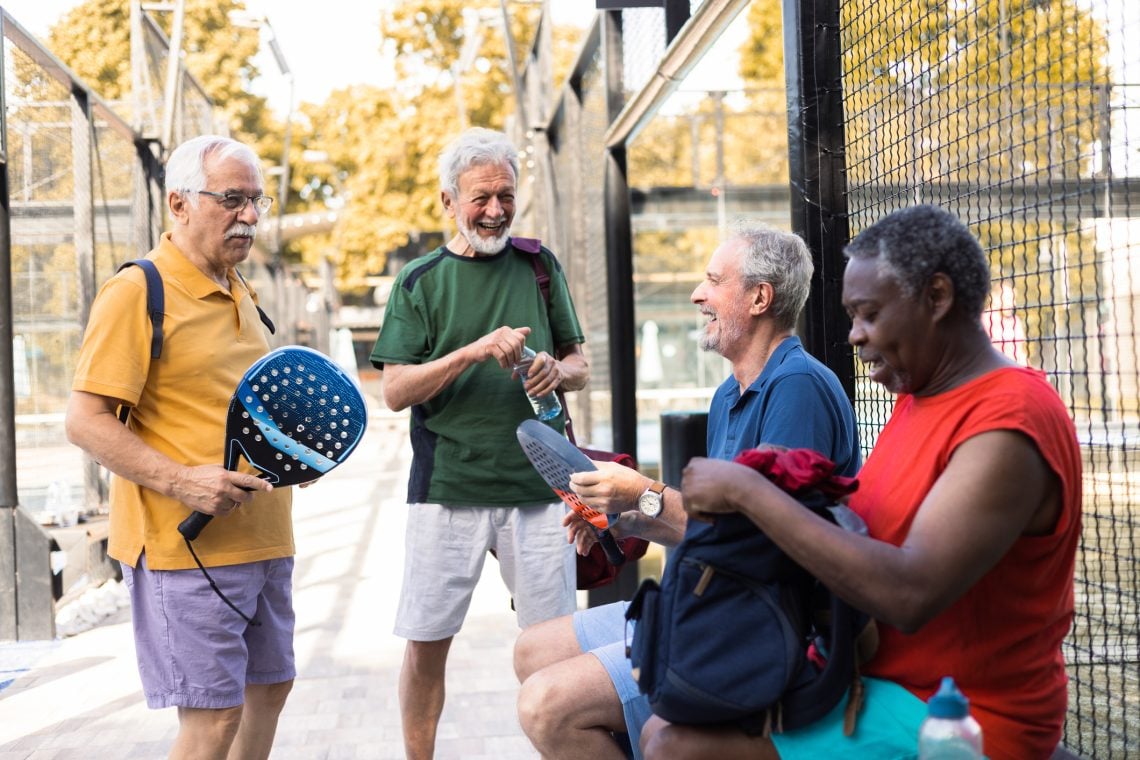
Many older men connect exercise with lifelong hobbies, sports, or hands-on activities. Residents may continue enjoying golf, tennis, softball, or swimming well into their 80s and 90s. Even if your community cannot offer a golf course or pool, modified experiences—such as a putting green, chair exercises inspired by sports movements, or walking clubs—can help residents stay connected to activities they love. And, of course, many sports fans are just as passionate cheering from the sidelines as they are participating.
Group fitness classes such as yoga, Pilates, water aerobics, Tai Chi, and dance-based movement programs can support residents of all genders. The key is offering a variety of approaches so individuals can find activities that feel comfortable, engaging, and meaningful to them. Some residents may enjoy strength-based exercise, resistance training, boxing-inspired fitness, or movement programs that feel more skill-oriented or goal-driven. Boxing exercises have gained attention for their potential benefits in supporting individuals living with Parkinson’s disease.
Other creative wellness options might include drumming exercises using dowels and exercise balls, gardening, badminton, outdoor walking groups, or gentle martial arts such as Qi Gong.
Social connection also plays an important role in staying active. Many residents are more likely to participate consistently when they exercise with a friend, partner, or small group that provides encouragement and accountability.
Finally, don’t overlook purposeful movement woven into everyday life. Tasks such as sweeping, watering plants, organizing supplies, or light gardening can provide both physical activity and a sense of contribution—something that is often just as important as exercise itself.
Why Purpose Matters for Older Men
For many older men, retirement can bring significant lifestyle and identity changes. Careers, routines, leadership roles, and daily responsibilities often shape how people see themselves for decades. When those roles shift, feelings of isolation, loneliness, or loss of purpose can sometimes follow. That’s why meaningful engagement matters so much in senior living communities.
Programs that encourage residents to contribute, mentor, teach, build, repair, lead, or share their skills often create deeper engagement than passive entertainment alone. Many older adults thrive when they feel useful, respected, and connected through shared experiences and common interests.
Purpose-driven programming can positively impact multiple areas of wellness and quality of life for older men. It can:
- Strengthen social connection
- Support emotional wellness
- Reduce isolation
- Encourage confidence and independence
- Help residents maintain identity and self-worth
Research also suggests that men may build relationships differently from women, which can influence the types of programs they naturally gravitate toward. According to a WebMD article, Margaret Gibbs, PhD, a professor of psychology at Fairleigh Dickinson University, explains, “We found that women seemed more geared to empathy, while male friendships are more geared to companionship and altruism.” She noted that women often connect through conversation and emotional sharing, while men may bond through shared tasks or experiences, such as fixing a bike together or working on a project side by side.
This concept of “side-by-side engagement” can offer valuable insight when planning meaningful programming for older men in senior living communities. For activity professionals, this creates valuable opportunities to design programs centered around teamwork, mentorship, hobbies, practical skills, and shared interests that foster both connection and purpose.
Building Social Connection Through Shared Interests
Before television, smartphones, and digital entertainment became central to daily life, many men built friendships through clubs, service organizations, hobby groups, and community gatherings. Whether through fishing clubs, Rotary meetings, photography groups, veteran organizations, or neighborhood gatherings, these experiences created routine, belonging, and shared purpose.
Many of these connections were built through shared activities rather than formal social events. Men gathered to exchange ideas, solve problems, work on projects, mentor others, and simply enjoy each other’s company. These experiences often reinforced identity, encouraged leadership, and strengthened social bonds.
Today’s senior living communities can recreate that same sense of connection through interest-based programming tailored to residents’ experiences and passions. Modern men’s programming might include fantasy sports discussions, documentary clubs, veteran storytelling groups, grilling clubs, woodworking demonstrations, technology help groups, car enthusiast conversations, or intergenerational mentoring opportunities.
Creating opportunities for residents to share their knowledge, hobbies, and life experiences can help foster meaningful relationships and a stronger sense of community.
Men’s Programming That Creates Purpose
Isolation can become a significant challenge for older men, especially after retirement or major life transitions. Creating opportunities for meaningful roles, shared experiences, and social connection can help residents feel more engaged and purposeful.
Three types of programming that often resonate well with older men include:
- Peer-led groups — Such as a men’s coffee club or discussion group like the “Brewed Awakening Bunch”
- Mentorship opportunities — Welcoming new residents, sharing career experiences, or tutoring students in a nearby school
- Purpose-driven tasks — Helping with special events, organizing supplies, repairing items, gardening, woodworking, or building projects
These programs can take many forms, including ongoing clubs, current events groups, hands-on workshops, hobby groups, or resident-led projects centered around shared interests and skills.
Simple Men’s Programming Ideas to Try
Sometimes the most meaningful programs are also the simplest. Here are a few easy, low-cost ideas that can encourage conversation, connection, and participation:
- Coffee & Current Events
- Tool Bench Talk
- Sports Debate Hour
- Veterans Roundtable
- Grill & Chill
- Fantasy Baseball Picks
- Music & Memories: Classic Rock Edition
- Fix-It Fridays
- Men’s Walking Club
- “Teach Us Something” Resident-Led Workshops
Conclusion
Successful men’s programming isn’t about simply filling a calendar—it’s about creating opportunities for purpose, contribution, and connection.
When programming reflects residents’ lifelong interests, experiences, and strengths, engagement becomes more personal and meaningful. When older men feel valued, needed, and connected, participation becomes purpose.
Looking for additional inspiration and ready-to-use resources to support men’s engagement programming? Download our Finish the Sports Phrase activity! Participants complete familiar sports sayings, explore the meaning behind each phrase, and share memorable sports moments and famous examples together. It’s a fun and easy way to spark conversation, connection, and reminiscence.
Kathy Laurenhue, MA, CHP, the creator of WiserNow.com, is a prolific, award-winning writer, publisher, and a frequent contributor to Activity Connection.


Leave a Reply